
Pain that requires immediate medical attention: warning signs you should not ignore
Learn to recognize warning signs and know when to go to emergency care or consult a healthcare professional
Pain is a warning signal the body uses to tell us that something is not working properly. In most cases, it may be related to a minor injury or muscle tension. However, some types of pain can be symptoms of a serious illness or a medical emergency requiring immediate attention.
At Clínica Aliantis, our physiotherapists and osteopaths are trained to identify cases where manual treatment is not appropriate and to refer the patient to a doctor when necessary. Knowing how to recognize the signs of dangerous pain can make the difference between a quick recovery and a serious complication.
Below, we explain which types of pain require urgent medical assessment, what to do in case of doubt and how healthcare professionals act in these situations.
First-contact consultations
Physiotherapy and osteopathy are therapies that patients can access as a first point of contact, meaning without a medical prescription. However, this requires the therapist to determine, in a methodical and rigorous way, whether or not they can treat the patient who comes to the consultation.
Today, with hospitals under pressure and sometimes excessive delays in getting a medical appointment, more and more people go directly to a physiotherapy or osteopathy consultation hoping to relieve their symptoms. Even so, this is not always the right option, especially when signs appear that could indicate a serious condition.
That is why it is essential to recognize the types of pain that require immediate medical attention and to know when to see a doctor or go to emergency care without delay.
What types of pain should make me consult a doctor quickly?
Chest pain
Acute abdominal pain
Acute lower back or neck pain
Chest or abdominal pain in pregnant women
Pain associated with other serious symptoms
What should I do if I am unsure?
If you are unsure, or if you experience intense and persistent pain, seek medical attention or go to emergency care. An unnecessary consultation is preferable to delayed intervention.
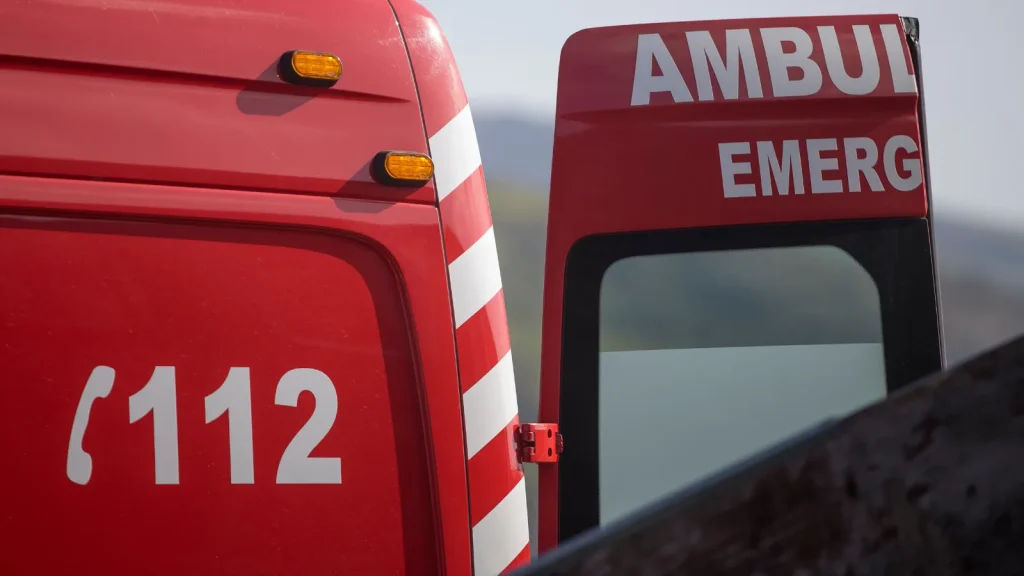
Remember that you can call 061 or 112 free of charge, where trained professionals will guide you and, if necessary, refer you to hospital according to your symptoms.
A concrete example: concussion
To better illustrate the importance of recognizing warning signs, imagine the case of a rugby player who, after a violent collision, briefly loses consciousness. Although they manage to stand up and seem to have recovered, they experience nausea, dizziness and headache the following day.
They decide to consult their osteopath hoping to relieve neck stiffness and headaches. However, this person presents almost all the signs of a concussion.
Concussions can cause traumatic brain injuries such as bleeding or swelling of the brain, which can be life-threatening. They therefore require immediate medical assessment and specialist follow-up.
If a player develops symptoms after a violent impact, they should be removed from play and assessed by a healthcare professional to determine severity and establish an appropriate treatment plan.
The role of the osteopath and physiotherapist
In this context, the osteopath must recognize when symptoms fall outside their scope of practice and refer the patient to a doctor.
It is important to remember that osteopaths are not authorized to make medical diagnoses. Their role is to take a detailed clinical history and apply exclusion tests before any treatment. This process, known as differential screening or exclusion diagnosis, helps rule out serious conditions that could explain the patient’s symptoms.
Physiotherapists, for their part, can make diagnoses within their area of competence, focused on functional and musculoskeletal aspects. If they identify signs suggesting an underlying medical problem, they must refer the patient to a doctor for a more complete diagnosis.
Prevention and patient education
Health education is key. Knowing the warning signs of pain helps avoid complications and receive appropriate treatment in time.
At Clínica Aliantis, our multidisciplinary team — physiotherapists, osteopaths, psychologists and women’s health specialists — works with a comprehensive approach to ensure patient safety and guide each case correctly.
Conclusion
Pain is not always a simple passing discomfort. In many cases, it is a warning from the body that requires a quick and professional response. Knowing how to distinguish between benign pain and potentially serious pain can save lives.
If you ever have doubts about the severity of your symptoms, consult a healthcare professional or go to emergency care. At Clínica Aliantis, we support you through the assessment and referral process, ensuring that you receive the appropriate medical care at the right time.
Taking care of your health begins with listening to your body’s signals and acting responsibly.
This blog article does not aim to generate new knowledge; it is based on the reading of scientific publications, blog articles and other texts.