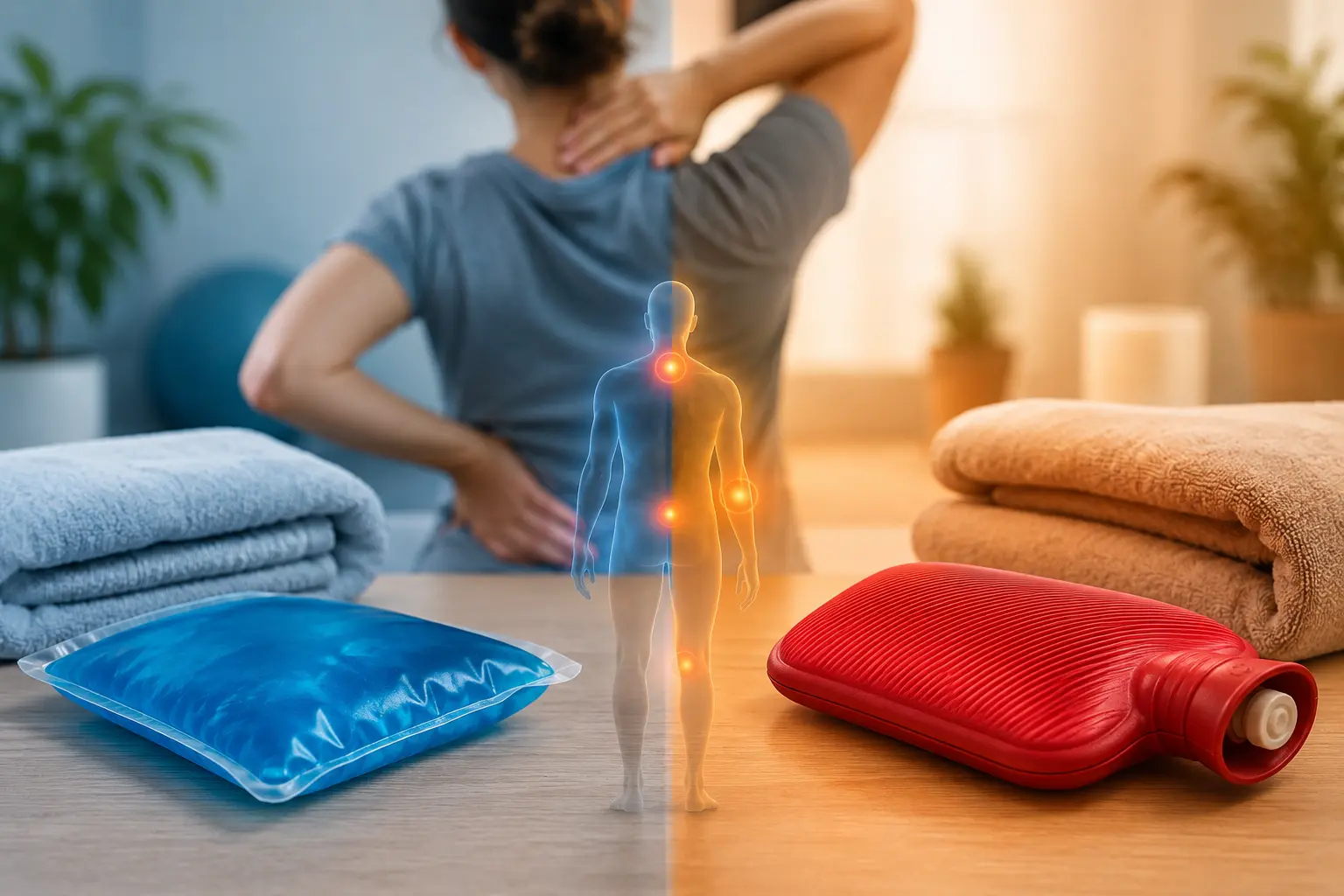
Prevention in osteopathy: myth or reality?
Prevention plays a central role in health. Vaccination, screening, physical activity, balanced nutrition and restorative sleep are evidence-based strategies aimed at clearly reducing risks. In this context, a similar discourse is sometimes used in osteopathy: visiting an osteopath regularly, even without symptoms, would supposedly help “prevent” the onset of pain or future physical problems.
At Aliantis Sitges, we prefer to adopt a more cautious and responsible position. Osteopathy can be a valuable therapeutic tool when there is a specific need, but it should not be presented as systematic prevention by default. Turning periodic sessions into an obligation without a clear reason can generate false beliefs, encourage therapeutic dependence and even delay access to a medical diagnosis when one is necessary.
In this article, we explore why the idea of generalized “osteopathic prevention” is problematic, in which cases follow-up may make sense and how we understand osteopathic support at Aliantis.
What do we really mean by prevention in health?
Validated prevention and perceived prevention
Some preventive measures have well-established usefulness: vaccination, stopping smoking, moving more, controlling certain risk factors or undergoing screening when indicated. By contrast, not everything that “feels good” can automatically be considered prevention.
In osteopathy, many people leave a session feeling relieved, more mobile or more comfortable. This can be valuable, but it does not necessarily prove that the session has prevented a future injury or condition.
Why not all support is prevention
Why is prevention in osteopathy an attractive but debatable idea?
The appeal of regularity
What should not be promised without nuance
When the message creates dependence rather than autonomy
What risks can poorly framed prevention create?
False beliefs about the body
Therapeutic dependence
Diagnostic delay and medical wandering
Why is patient guidance also part of care?
Listening when the symptom does not fit
There are signs that require caution: pain that does not improve, symptoms that change, worsen or fall outside the usual pattern, or discomforts that raise doubts about their origin. In these cases, responsible support includes knowing when to stop and guide the patient.
Referring is not losing the patient; it is caring for them better
What approach do we defend at Aliantis?
Osteopathy responds to a reason, not an obligation
The patient remains the protagonist
Transparency about what osteopathy can and cannot offer
The therapeutic alliance as the basis of responsible practice
Listening to and understanding the patient’s experience
Explaining clearly without creating alarm
Building realistic and shared goals
The therapeutic alliance is strengthened when patient and professional share clear goals: relieving discomfort, restoring mobility, improving tolerance to effort, supporting a specific phase or reviewing progress. This is very different from maintaining appointments out of habit.
When can regular follow-up make sense?
Chronic pain and progressive support
In people with chronic pain, progress often requires time, adaptation and coordination between different disciplines. In these cases, several sessions within a defined framework may be part of the process to work on mobility, tension regulation, body perception and adaptability.
Follow-up with goals, not automatic repetition
The difference is that here the sessions are not scheduled “just in case, to prevent problems”, but because they form part of a concrete strategy, with reviewable goals and therapeutic meaning.
Always in service of autonomy
True prevention mostly happens off the treatment table
Movement, sleep, nutrition and stress management
Maintaining adapted physical activity, sleeping as well as possible, taking care of nutrition, reducing sedentary behaviour and learning to manage stress better are strategies with much greater preventive weight for musculoskeletal and general health.
Consulting when a symptom persists
Knowing when to consult in time is also part of prevention, without allowing a persistent symptom to become chronic or be misinterpreted.
Osteopathy as specific and contextualized support
At Aliantis, we support without creating dependence
At Aliantis Sitges, we defend an honest, responsible and person-centred osteopathy. We do not seek to fill schedules with automatic check-ups or make people believe that the body needs periodic correction by default. We prefer to listen, assess, intervene when it makes sense and guide when necessary.
We believe that good clinical practice does not consist of making the patient return without reason, but of helping them better understand their situation, trust their body more and decide when a consultation can truly bring something useful.
This blog article does not aim to generate new knowledge; it is based on the reading of scientific publications, blog articles and other texts.
Ministerio de Sanidad (España) – Dolor musculoesquelético y su abordaje
Colegio de Fisioterapeutas de Madrid – Osteopatía: qué es y en qué casos ayuda
Española de Enfermedades Raras (FEDER) – Errancia diagnóstica
Ministerio de Sanidad (España) – Estrategia de Enfermedades Raras
Sociedad Española del Dolor – Dolor crónico
Fundación Española de Reumatología – Dolor crónico y enfermedades reumáticas
Ministerio de Sanidad (España) – Promoción de la salud y prevención
Organización Mundial de la Salud (OMS) – Prevención de enfermedades