Sleep disorders in women
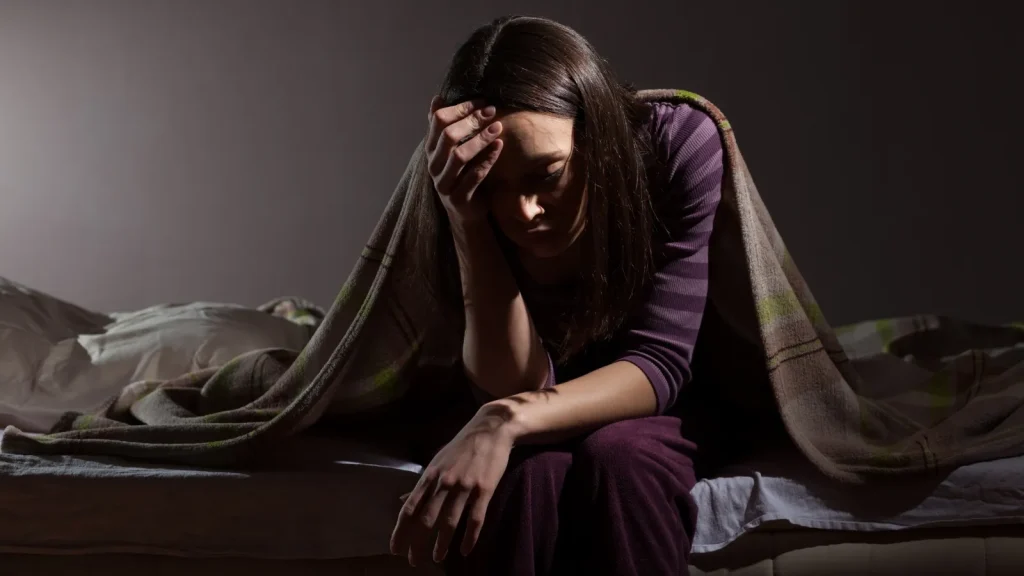
Sleep is an essential function for physical, mental and emotional health. However, many women experience sleep difficulties at different stages of life: insomnia, frequent awakenings, light sleep, fatigue on waking or the feeling of not having rested properly. Although these problems are common, they should not be normalized or minimized.
Sleep disorders in women may be related to hormonal changes, mental load, sustained stress, physical pain, anxiety or alterations in daily habits. Very often, several of these factors combine with each other.
At Aliantis Sitges, we support women who are going through these difficulties from a global perspective, integrating psychology, osteopathy, physiotherapy and nutrition. In this article, we explain why women so often sleep poorly, what the most common sleep disorders are and what can help recover deeper, more restorative rest.
Why do many women sleep worse?
Hormonal fluctuations throughout life
The female hormonal system changes significantly at different moments: adolescence, the menstrual cycle, pregnancy, postpartum, perimenopause and menopause. These variations can influence sleep regulation, body temperature, mood and the ability to relax at the end of the day.
Before menstruation, for example, some women notice more anxiety, irritability or awakenings. During pregnancy, sleep may be disturbed by physical discomfort, digestive changes, frequent need to urinate or emotional tension. During menopause, hot flashes, night sweats and mood fluctuations can significantly affect sleep quality.
Mental overload and difficulty switching off
Many women carry a large part of daily organization: household tasks, family logistics, work, care responsibilities, invisible decisions and constant planning. This mental load is not always visible from the outside, but it can remain active when night arrives.
The body lies down, but the mind keeps reviewing tasks, anticipating responsibilities or managing worries. In this context, falling asleep or maintaining stable sleep becomes much more difficult.
Greater impact of stress, anxiety and mood
What are the most common sleep disorders in women?
Insomnia
Sleep apnea
Restless legs syndrome
This disorder causes an intense need to move the legs, especially at night, accompanied by uncomfortable sensations, tingling or internal discomfort. It can make falling asleep very difficult and fragment rest. It is more common in women and can appear more intensely during pregnancy or in cases of iron deficiency.
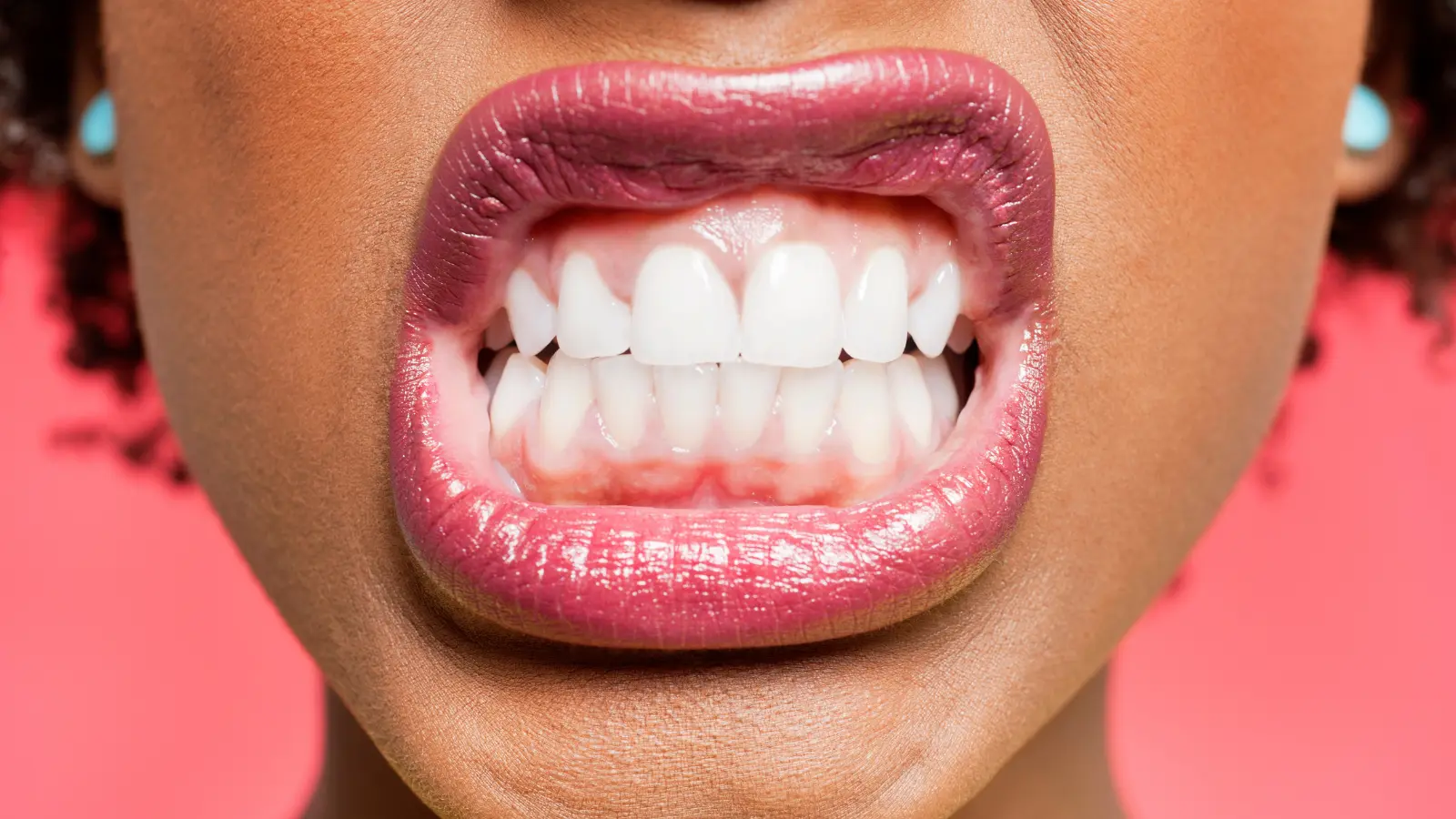
Bruxism and other parasomnias
Some sleep disturbances are expressed through nighttime behaviours such as teeth grinding, sleepwalking, confused awakenings or abnormal movements. Although they are not always serious, they can greatly worsen sleep quality and generate secondary symptoms, such as jaw pain, headaches or a feeling of exhaustion on waking.
Hypersomnia and daytime sleepiness
Not all sleep problems are expressed as insomnia. Some women experience excessive daytime sleepiness, even when they seem to sleep enough hours. This may be related to poor sleep quality, breathing disorders, chronic fatigue, depression or insufficient recovery of the body.
Circadian rhythm disturbances
What factors may be maintaining the problem?
Pain, tension and difficulty relaxing physically
Eating habits and stimulants
Negative association with the night or the bed
Why is it important to identify the cause properly?
Not all insomnia has the same origin
A global assessment helps guide treatment more effectively
What can help recover restorative sleep?
Psychology to reduce activation and calm the mind
Osteopathy to release tension and support regulation
Physiotherapy to improve breathing, posture and body comfort
Nutrition to support sleep from within
What habits can improve sleep day to day?
Creating a more regulating nighttime routine
Taking care of the sleep environment
A cool, ventilated, dark and quiet bedroom usually facilitates rest. It is also important that the bed is associated with sleep and not with mental hyperactivity, work or constant worry.
Moving the body during the day
Aliantis’ approach to sleep disorders in women
Individual and multidisciplinary assessment
Our approach integrates psychology, osteopathy, physiotherapy and nutrition to understand why a woman is not resting well and which support pathways may make the most sense in her case.
Supporting the cause, not only the symptom
At Aliantis, we help you reconcile your nights with your wellbeing
Sleep disorders in women are common, but they should not be experienced as inevitable. Poor sleep is not an obligation of motherhood, menopause, stress or life rhythm. It deserves listening, assessment and support.
At Aliantis Sitges, we work to help you understand what is affecting your rest and how to recover deeper, more stable and more restorative sleep.
This blog article does not aim to generate new knowledge; it is based on the reading of scientific publications, blog articles and other texts.
Sociedad Española de Sueño (SES) – Información para pacientes
Ministerio de Sanidad (España) – Portal de Salud
Documento oficial “Unidad del sueño” – Ministerio de Sanidad (PDF)
Sleep Foundation – Women & Sleep
AASM (American Academy of Sleep Medicine) – Spotlight on Women and Sleep
Sleep Foundation – Sleep Apnea Symptoms in Women
Ministerio de Sanidad (España) – Documento “Unidad del sueño”
National Heart, Lung, and Blood Institute (NIH) – Tratamientos de los trastornos del sueño