Concussion: symptoms, prevention and recovery
Recognizing the signs to act quickly in the event of a concussion
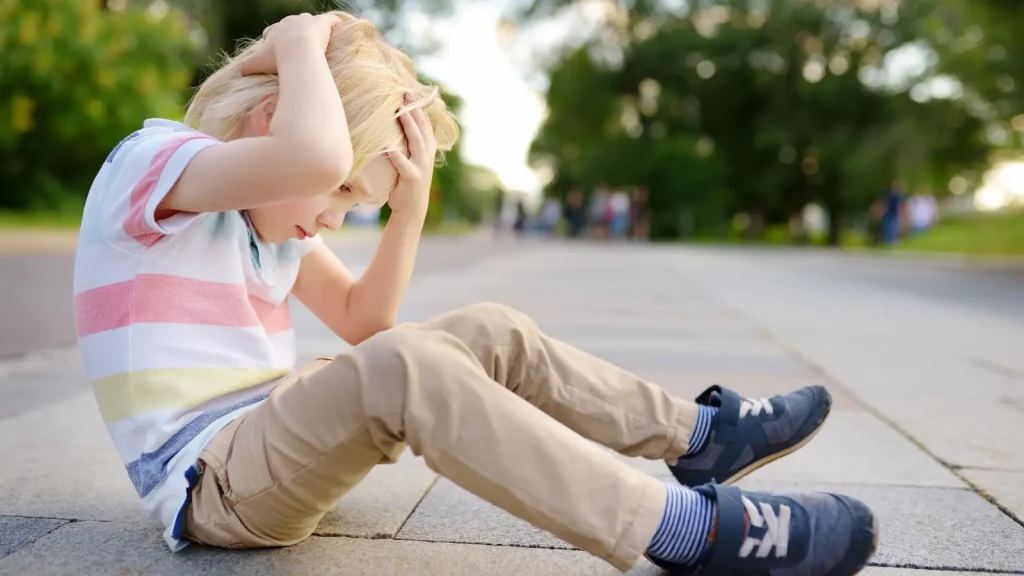
A concussion, also known as a mild traumatic brain injury, is a common brain injury that occurs after a direct or indirect blow to the head, a violent impact or a fall. The mechanism is therefore similar to the “whiplash” seen in a road traffic accident.
Although it is often considered a minor injury, concussions can have serious consequences for a person’s health and wellbeing. For this reason, it is essential to recognize warning signs and respond appropriately.
In this article, we explore in depth what a concussion is, its symptoms, risk factors, possible complications, prevention measures and available treatment options. In short, the goal is to provide clear tools to react quickly and effectively.
What is a concussion?
A concussion is a temporary alteration in brain activity that causes a transient dysfunction of the brain. Unlike more serious injuries, such as skull fractures or intracranial bleeding, concussions usually do not show visible signs of structural damage on imaging tests such as CT scans or MRI.
However, they can have a significant impact on the cognitive, emotional and physical functioning of the affected person.
What are the symptoms of a concussion?
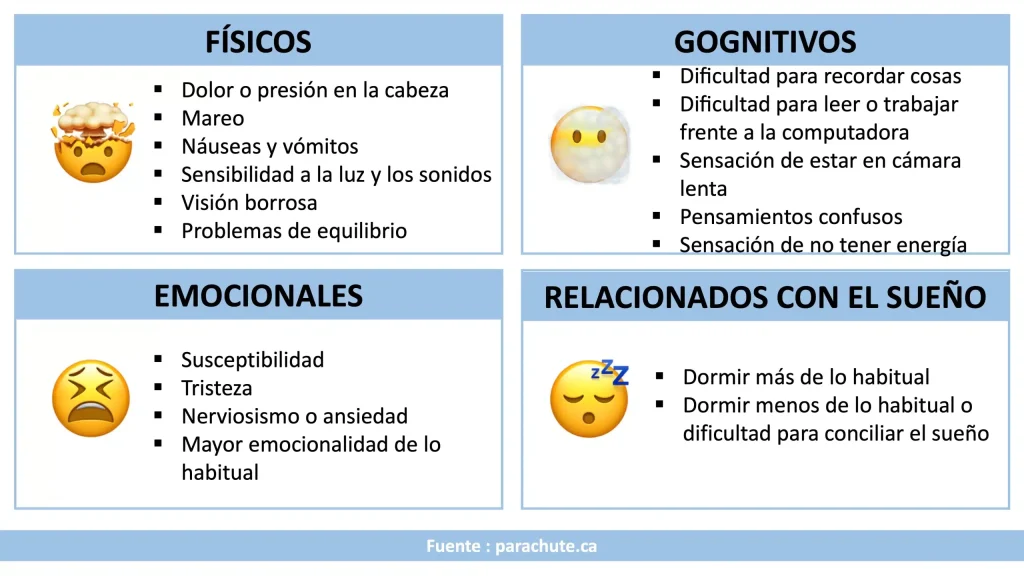
Symptoms of a concussion vary from one person to another and may be obvious or, on the contrary, subtle. The most common include:
- persistent or intense headaches,
- nausea or vomiting,
- dizziness or vertigo,
- mental confusion or difficulty concentrating,
- sensitivity to light or noise,
- persistent fatigue or excessive sleepiness,
- vision problems or blurred vision,
- short-term memory problems,
- mood changes or irritability.
In addition, loss of consciousness may occur for a brief period, although it rarely lasts longer than 15 minutes. In other cases, the person may not even realize that they have suffered a concussion.
Finally, it is important to note that symptoms do not always appear immediately after the trauma and may take up to 48 hours to develop.
Warning signs — go to emergency care immediately: rapidly worsening headache, repeated vomiting, unusual sleepiness, weakness on one side of the body, difficulty speaking, seizures, severe disorientation or any change in behaviour noticed by others.
Who is most affected?
Certain factors can increase the risk of suffering a concussion, including:
- participation in combat sports or sports with a risk of collision or falls: football, rugby, hockey, boxing, cycling, skiing, etc.;
- road traffic accidents;
- a history of previous head trauma;
- high-risk professional or recreational activities, such as construction workers, electricians, etc.
Children, adolescents and young adults are also particularly vulnerable due to the immaturity of their brain and their frequent participation in physical and sporting activities.
What are the possible complications?
Post-concussion syndrome
Some symptoms — headaches, sensitivity to light or noise, difficulty sleeping, short-term memory problems — may persist for several days after the injury. They usually disappear during the second week of recovery. However, in some cases, they can last for months or even years.
In addition, people who have already suffered a concussion are more likely to experience another one, especially if the new injury occurs before previous symptoms have completely disappeared. In adolescents, many post-concussion symptoms — such as irritability, fatigue or lack of concentration — may be mistakenly attributed to adolescence itself.
Neurodegenerative diseases
Scientific research has shown that repeated concussions may increase the risk of developing neurodegenerative diseases, such as Alzheimer’s disease or Charcot disease, ALS. The risk may be four times higher in people who have suffered a concussion.
It is therefore essential to take every concussion seriously and strictly follow medical recommendations.
How can concussions be prevented?
Prevention is based on several key strategies, including:
- using appropriate protective equipment, such as a safety helmet, in activities with a risk of head trauma;
- adopting safe playing techniques and respecting the rules in contact sports;
- raising public awareness of the dangers of concussions and the importance of detecting and treating them early;
- educating workers, athletes, parents, coaches and healthcare professionals about warning signs.
In practice, the rule “when in doubt, sit them out” significantly reduces the risk of a second impact. Unfortunately, according to experts, 80% of concussions are not diagnosed. Improving symptom identification is therefore essential.
How is a concussion treated?
Always follow your doctor’s instructions.
Treatment is usually based on rest, recovery and symptom control, and includes:
- complete physical and mental rest until symptoms disappear, avoiding intense physical or mental activities;
- treatment of symptoms such as headache, nausea or sleep disorders with appropriate therapies;
- regular medical follow-up to monitor symptom progression and guide rehabilitation;
- physical, cognitive or vestibular rehabilitation when problems persist.
Gradual return to activities: school, work and sport
A period of relative rest for 24 to 48 hours is usually recommended first. Activities are then resumed gradually: light activities without worsening symptoms, followed by partial reintegration into school or work, and finally — only with medical authorization — a gradual return to sport. If symptoms reappear, the person should return to the previous level.
Osteopathy as a complementary treatment
The whiplash mechanism can generate multiple tensions both in the area of impact and at a distance, with effects such as fatigue, headaches, neck discomfort, chest tightness or low back pain. These tensions may maintain symptoms over the long term.
Through adapted manual techniques and in close collaboration with healthcare professionals, the osteopath can help relieve these symptoms and improve general wellbeing. However, this is a complementary intervention and does not replace medical assessment.
Limits
A cervical injury associated with a concussion should always be suspected. In case of doubt, techniques must be gentle and adapted, and it is essential to consult the doctor again, as they are the only professional qualified to decide on therapeutic strategies.
Physiotherapy in concussion rehabilitation
The physiotherapist plays a key role in helping the patient recover their physical, cognitive and functional abilities. Based on a detailed assessment, they develop an individualized treatment plan that may include:
- manual therapy,
- therapeutic exercises,
- vestibular and balance rehabilitation,
- other complementary modalities.
The main goal is to strengthen the muscles, improve coordination and balance, restore function and support optimal recovery. At the same time, the physiotherapist provides education and guidance to the patient and their environment on symptom management, precautions during recovery and warning signs.
Finally, they carry out regular follow-up, adjusting the treatment plan according to progress, and work closely with other healthcare professionals to ensure comprehensive and personalized care.
Concussions: act quickly to protect health
Concussions are serious injuries that require immediate medical attention and an appropriate recovery period. Understanding their symptoms, risk factors, potential complications and prevention and treatment measures helps reduce risks and protect everyone’s health and wellbeing.
At Aliantis Sitges, our multidisciplinary team — osteopathy, physiotherapy and psychology — can support you in your recovery, in collaboration with your referring doctor.
According to experts, 80% of concussions are not diagnosed. If you experience symptoms, do not take risks and speak with your doctor.
This blog article does not aim to generate new knowledge; it is based on the reading of scientific publications, blog articles and other texts.
Ministerio de Sanidad (España) — Información general sobre traumatismos y salud pública
Organización Mundial de la Salud (OMS) — Lesiones cerebrales traumáticas
Centros para el Control y la Prevención de Enfermedades (CDC, EE. UU.) — Conmociones cerebrales
MedlinePlus (Biblioteca Nacional de Medicina de EE. UU.) — Conmoción cerebral
Instituto Nacional de Seguridad y Salud en el Trabajo (España) — Prevención de riesgos laborales
Concussion Legacy Foundation (versión en español) — Prevención y educación sobre conmociones
Asociación Española de Neuropsiquiatría (AEN) — Salud mental y neurología
Fundación MAPFRE — Prevención de lesiones en el deporte y la conducción
Asociación Española de Fisioterapeutas — Recursos profesionales
Consejo Superior de Deportes (España) — Seguridad en el deporte
Comité Olímpico Español — Promoción de la salud y prevención
World Rugby — Guía sobre conmociones cerebrales (versión en español disponible)
Federación Internacional de Fútbol (FIFA) — Prevención de conmociones en el deporte