Lymphatic drainage: what it is, benefits and when it can help you
Lymphatic drainage is much more than a technique focused on aesthetics. It is a manual treatment that can help improve the feeling of heaviness, promote body lightness and support moments when the body feels overloaded, swollen or tired.
Many people associate it with fluid retention or heavy legs, but its application goes much further. It can be part of a wellbeing routine, support certain hormonal stages or serve as a complement during recovery processes, always within an approach adapted to each person.
In this article, we explain what lymphatic drainage is, what benefits it can offer and what makes the Renata França method special, which we apply at Aliantis Sitges.
What is lymphatic drainage?
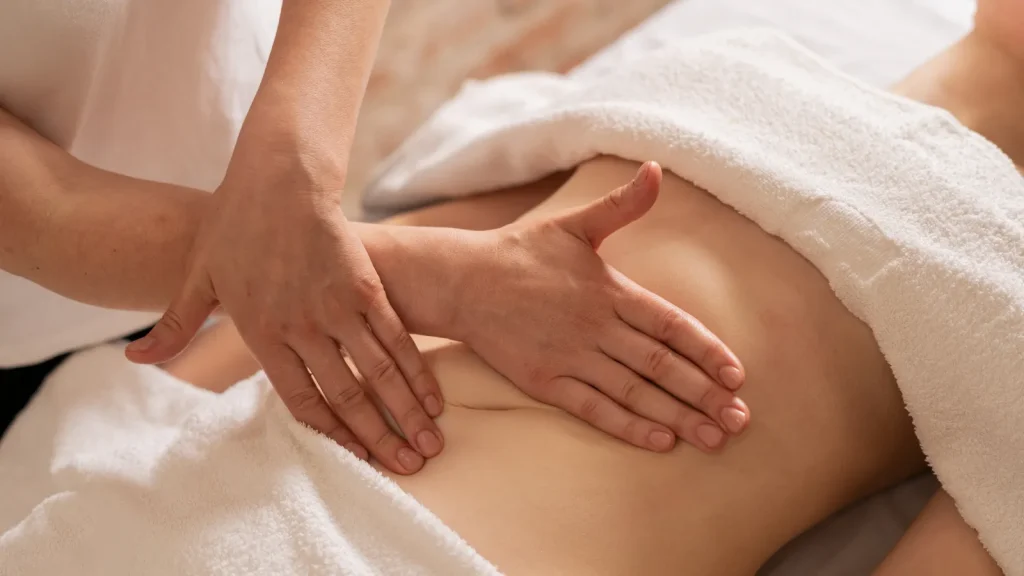
Lymphatic drainage is a manual technique aimed at supporting lymph circulation and accompanying the function of an essential network for the body’s balance. The lymphatic system participates in fluid management, immune response and the transport of certain substances throughout the body.
When this circulation becomes slower, or when the body goes through phases of greater sensitivity, sensations such as swelling, heaviness, congestion or tiredness may appear. In this context, lymphatic drainage can help improve body comfort and the feeling of lightness.
Although it is often sought in summer or during periods of fluid retention, it can also be an interesting tool during seasonal changes, hormonal stages, feelings of heavy legs or recovery processes in which the body needs more specific support.
What does lymphatic drainage bring to the body?
Feeling of lightness and less heaviness
Circulatory wellbeing and body comfort
Lymphatic drainage can also provide a feeling of circulatory wellbeing, especially when there are tired legs, temperature changes, long periods standing or phases of reduced movement. It is not just about “moving fluids”, but about promoting better body perception and greater comfort in daily life.
Support during swelling or fluid retention
What makes the Renata França method different?
At Aliantis, we work with the Renata França method, a manual approach recognized for its specific rhythm, its global character and the immediate feeling of wellbeing that many people describe after the session.
A global manual approach
Rhythm, firmness and an immediate feeling of wellbeing
When this approach may be suitable
Benefits of lymphatic drainage in daily life
Tired legs and feeling of heaviness
Heavy legs are one of the most frequent reasons for consultation. They may appear due to heat, hormonal changes, long days standing, a sedentary lifestyle or simply a feeling of congestion at the end of the day. In these cases, drainage can help improve the perception of lightness and comfort.
Swollen abdomen and feeling of inflammation
Some people seek it for abdominal distension, heavy digestion or a more pronounced perception of body inflammation during certain periods. When well indicated, the treatment can accompany these phases and promote a general feeling of release.
Hormonal changes, pregnancy or postpartum
There are stages when the body changes more quickly and becomes more sensitive, as happens during certain moments of the menstrual cycle, pregnancy or postpartum. During these phases, drainage can help relieve the feeling of heaviness and improve body comfort, always adapting the treatment to each situation.
Seasonal changes, fatigue and need for recovery
When it may fit into a more specific approach
Lymphedema and lipedema: an indication that requires prior assessment
In some cases, lymphatic drainage can also be part of the support for people with lymphedema or lipedema. In lymphedema, it is usually integrated into a broader approach that may include compression, exercise, skin care and specialized follow-up. In lipedema, it can help improve the feeling of heaviness, tension or discomfort, always within a plan adapted to each person.
In both cases, it is important to avoid oversimplified approaches. This is not an aesthetic massage or a universal answer, but a technique that must be assessed according to the type of edema, symptom evolution and each patient’s clinical context. For this reason, before starting treatment, it is advisable to carry out an appropriate assessment and, if necessary, coordinate with other healthcare professionals.
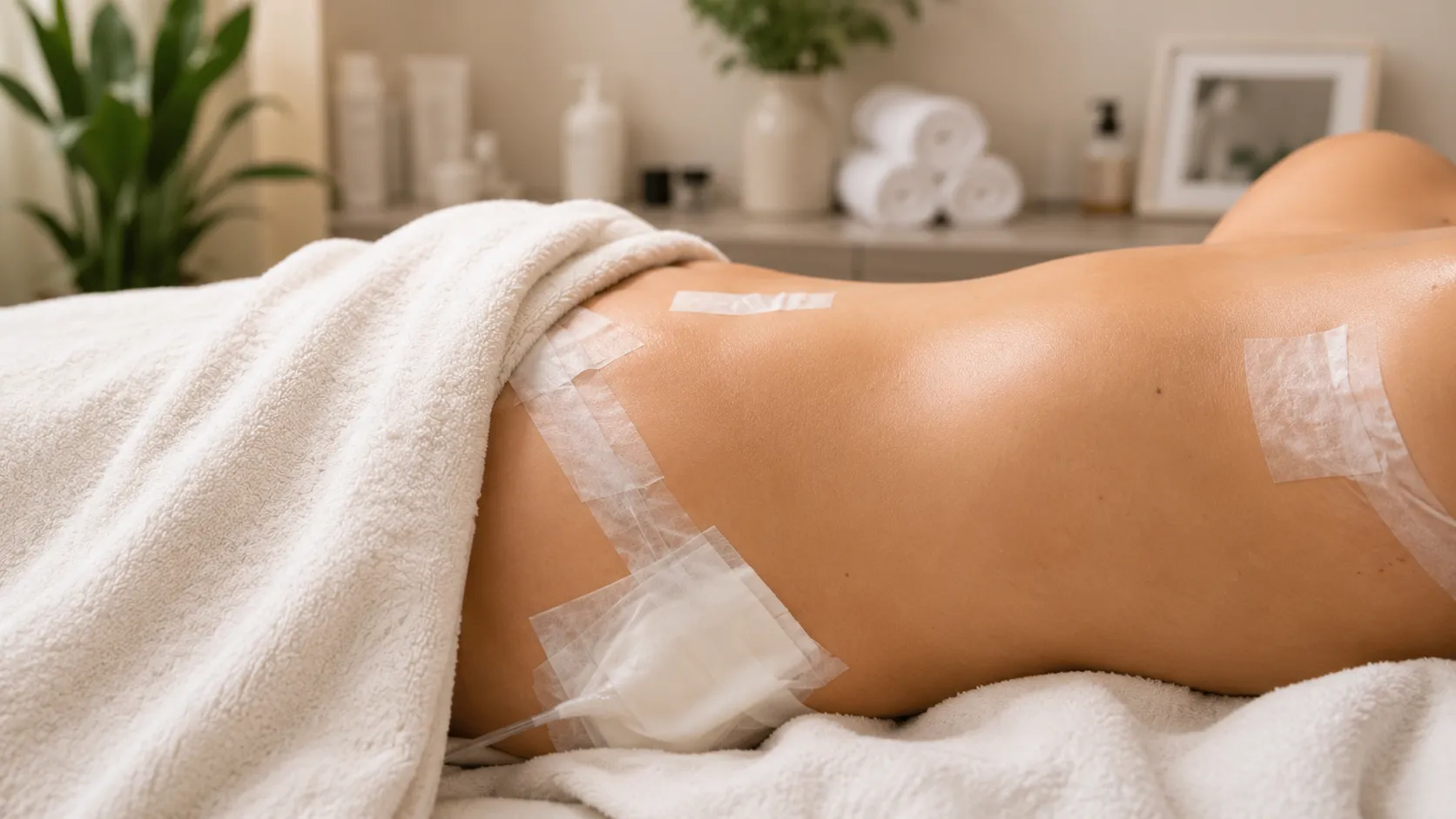
Postoperative lymphatic drainage: when it may be useful
Lymphatic drainage can also be valuable support after certain surgeries, both aesthetic and medical, provided there is a clear indication and the appropriate timing of recovery is respected.
In this context, it can help support phases where there is edema, a feeling of congestion, bruising or tissue discomfort. The session must always be adapted to the type of intervention, the evolution of the process and the indications of the medical team.
It is not about applying a standard protocol, but about supporting the body in a safe, progressive and personalized way. In the postoperative period, precision and the right timing of intervention make all the difference.
When should you consult before having lymphatic drainage?
Although lymphatic drainage can be a very pleasant and useful technique, it is not always indicated at any time or for everyone. For this reason, when there are doubts, persistent symptoms or relevant medical history, it is advisable to consult before starting treatment.
This is especially important if lymphedema or lipedema is suspected, if there has been recent surgery, if swelling appears in a marked way or if there are other signs that require a broader assessment.
It is also worth consulting if you are not sure which type of drainage may best suit you, if you are looking for a treatment adapted to pregnancy or postpartum, or if you want to integrate this technique into a more global approach to health and wellbeing.
At Aliantis, we support you in Sitges
At Aliantis, we understand lymphatic drainage as a manual treatment that can provide comfort, lightness and wellbeing, but always from a perspective adapted to each person. That is why we work with the Renata França method within individualized support, taking into account your physical state, your needs and the reason for consultation.
Whether it is for a feeling of heaviness, fluid retention, hormonal changes, postoperative recovery or a search for general wellbeing, we assess each case to offer a safe, rigorous experience that is consistent with what your body needs.
This blog article does not aim to generate new knowledge; it is based on the reading of scientific publications, blog articles and other texts.