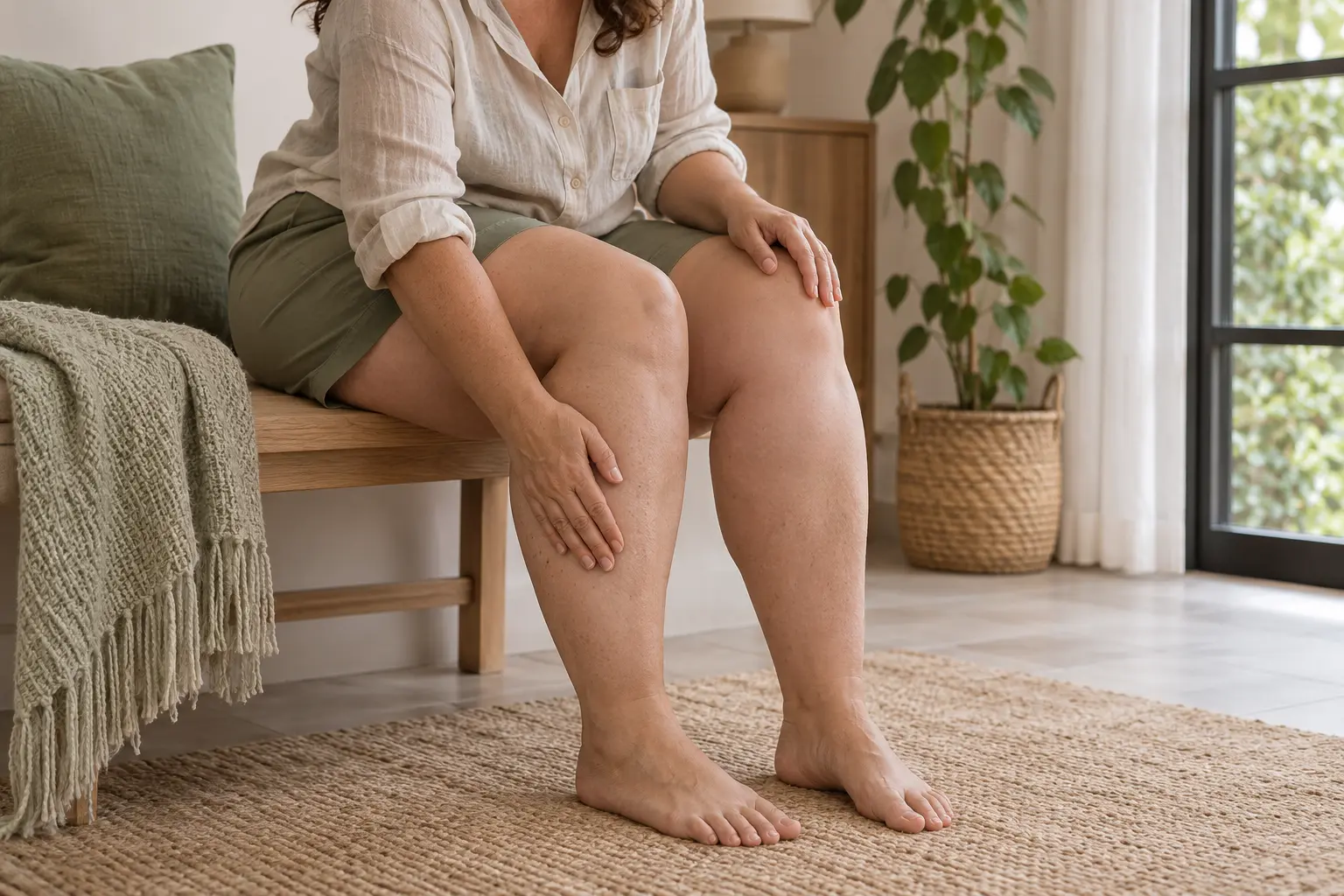
Tissue recovery time: how long does an injury take to heal?
Understanding tissue recovery times is essential to optimize any physical rehabilitation process. At Clínica Aliantis in Sitges, professionals observe every day how the human body activates complex biological mechanisms to repair damage and recover function.
Each tissue — muscles, ligaments, tendons and bones — has its own healing rhythm, influenced by several factors.

How long does an injury take to heal?
The human body’s ability to recover from injuries is a complex and fascinating process that varies significantly depending on the type of tissue affected. From muscles and tendons to bones and skin, each type of tissue has its own healing rhythm, influenced by different factors.
Understanding these healing times is essential to manage recovery expectations properly and optimize treatment strategies.
Below, we explore the recovery process of the main types of tissue: muscles, ligaments, tendons and bones.
All recovery times mentioned are approximate. Different factors such as age, general health, physical activity level, nutrition and psychological aspects play an important role in healing time.
Muscles
Muscle soreness
Muscle soreness, also known as delayed onset muscle soreness, or DOMS, is a sensation of pain and stiffness in the muscles that generally occurs after intense or unusual physical exercise.
This pain typically appears between 12 and 24 hours after activity and can last several days.
Muscle tear
A muscle tear or muscle fiber rupture is an injury that can occur directly — as a result of a contusion or blow — or from stretching the muscle beyond its capacity to remain stretched, or indirectly, after a sudden elongation of the muscle generally caused by a rapid and strong contraction.
A “pull” or muscle strain falls into the category of muscle tears.
The number of muscle fibers torn during the injury determines the severity of the tear.
Symptoms of a muscle strain include pain, swelling and difficulty moving the affected area. In more severe cases, there may be a large hematoma and more pronounced inflammation, immobilizing the affected region and experienced as temporary paralysis.
Muscle contracture
A muscle contracture is defined as an involuntary contraction of a certain number of muscle fibers in one muscle or group of muscles, generally without injury.
It is often the result of excessive sports training or excessive muscular work.
On palpation, a hard area can be felt. The muscle is painful in the contracted area, during passive stretching and during resisted contraction.
The muscle may remain contracted for a long time, sometimes between 5 and 10 days.
Muscle recovery time
Muscle recovery time varies considerably depending on the severity of the injury: from 2 days for muscle soreness to 6 months for a complete muscle rupture.
Ligaments
Ligaments are bands of connective tissue that connect bones to each other and are essential for joint stability.
Ligament injuries, such as sprains, occur when the joint is suddenly forced beyond its normal mobility, pushing the ligament beyond its stretching limit. This results in stretching of the fibers and tearing of the ligament.
In addition, the limited blood supply of ligaments makes the healing process slower than in other tissues, requiring patience and progressive rehabilitation.
There are 3 grades of ligament sprain, depending on the severity of the injury.
Grade 1 sprain
Grade 2 sprain
The tear is partial, with more fibers injured. The affected person has difficulty moving or putting weight on the joint. There is usually reduced mobility, significant pain, inflammation and bruising.
In a child or adolescent who has suffered this type of sprain, an X-ray may have been performed to confirm that there was no fracture, because fractures are more common than sprains, especially in younger people.
Grade 3 sprain
The ligament rupture is complete or almost complete. Moving or putting weight on the joint is difficult or impossible. Mobility is significantly reduced, with inflammation and bruising.
It is possible for a completely torn ligament to cause no pain.
Ligament recovery time
The approximate healing time to return to activities varies depending on the severity of the sprain. It can range from 2 to 4 weeks for a grade 1 sprain, 4 to 6 weeks for a grade 2 sprain and 8 to 12 weeks for a grade 3 sprain.
Severe ligament tears may sometimes require surgery.
In addition, rehabilitation with physiotherapy is essential to restore mobility, strengthen the supporting muscles and recover joint proprioception, helping to avoid relapses and chronic injuries.
Tendons
Tendons connect muscles to bones and transmit the force necessary for movement. A healthy tendon is made up of bundles of collagen fibers arranged very close together and in parallel. This parallel arrangement is what makes a tendon so strong and extremely resistant.
Tendon injuries can be divided into overuse or overload injuries, called tendinopathies, and tears.
Tendinopathy
Tendinopathies are very common conditions, most often caused by excessive or prolonged tension on the tendon. They develop when the tendon is not given enough recovery time between training sessions, or when it is exposed to much more activity than it is designed to tolerate.
The tendon fibers deteriorate and become disorganized; they then take months to recover their original structure.
We avoid using the term tendinitis, which implies inflammation, because inflammatory cells are absent most of the time.
This condition is characterized by pain, swelling and reduced function in the affected area.
Tendon tear
These may include partial tears, where only a few collagen fibers are torn, and complete tears, where the entire tendon is torn. Complete ruptures often require surgery.
Pain is usually intense at the time of injury, accompanied by swelling, bruising and difficulty or inability to move the associated joint.
Tendon recovery time
Tendons take a long time to heal. It takes much longer to produce and strengthen collagen fibers than muscle fibers.
Allow between 3 weeks and 1 year to recover from tendinopathy, and between 3 months and more than 1 year for a tear.
Bones
Bone recovery time
The healing time of a fracture depends on several factors, such as the location and severity of the fracture, the patient’s age, general health and recovery capacity.
The bone healing process is well organized and more predictable than that of soft tissues:
- recovery from simple fractures: 5 to 8 weeks
- recovery from complex fractures: several months, depending on the severity and location of the fracture.
Stages of tissue healing
Inflammatory phase
Duration: 24 to 72 hours after an injury.
The inflammatory phase is the body’s first response to an injury. During this phase, the main goal is to clean the injured area and prepare the ground for repair.
Proliferative phase
Duration: from 48 hours after an injury up to 6 weeks.
During the proliferative phase, the body begins to repair the damaged tissue by forming new tissue.
Remodeling or maturation phase
Duration: from the third week after an injury up to approximately 12 months.
During the remodeling phase, the newly formed tissue reorganizes and matures to recover strength and function.

Conclusion
Tissue recovery after an injury is a complex process that varies depending on the type of tissue and the severity of the injury.
Understanding typical recovery times can help you better manage your recovery and work with your osteopath or physiotherapist to optimize rehabilitation.
Listening to your body, respecting its timelines and supporting the process with appropriate rehabilitation are key to a complete and lasting recovery.
This blog article does not aim to generate new knowledge; it is based on the reading of scientific publications, blog articles and other texts.
Sources:
Fisioterapia Online – Ejercicios y artículos sobre rehabilitación y lesiones musculares
Colegio Profesional de Fisioterapeutas de la Comunidad de Madrid – Guías de práctica clínica
Osteopatía Científica – Información sobre disfunciones musculoesqueléticas y tratamiento manual
ScienceDirect – Artículos científicos sobre curación tisular
PubMed – Estudios sobre cicatrización y rehabilitación de tejidos
Physiopedia – Tissue Healing (Guía internacional de fisioterapia)